
The umbrella was originally invented for protection against the sun, and those who first used it in the rain were laughed at. Today, someone using an umbrella in sunny weather would receive a friendly smile. The origins of meditation and yoga date back centuries, and although historically part of certain rituals, their physical and mental benefits can now be measured. Meditation has evolved into a secular practice aimed at reducing stress, improving performance, and supporting mental well-being. Our goal is to avoid getting lost in the chaos of daily life, strengthen our focus through mental exercises, increase awareness, and navigate life’s processes with greater ease.
Meditation is, in essence, the physical and mental discipline of oneself. Yoga naturally complements meditation. In fact, meditative concentration can be seen at the root of many physical activities—especially in elite athletes.
The “moment of focus” appears in daily life as well, but let’s not drift from our main topic.
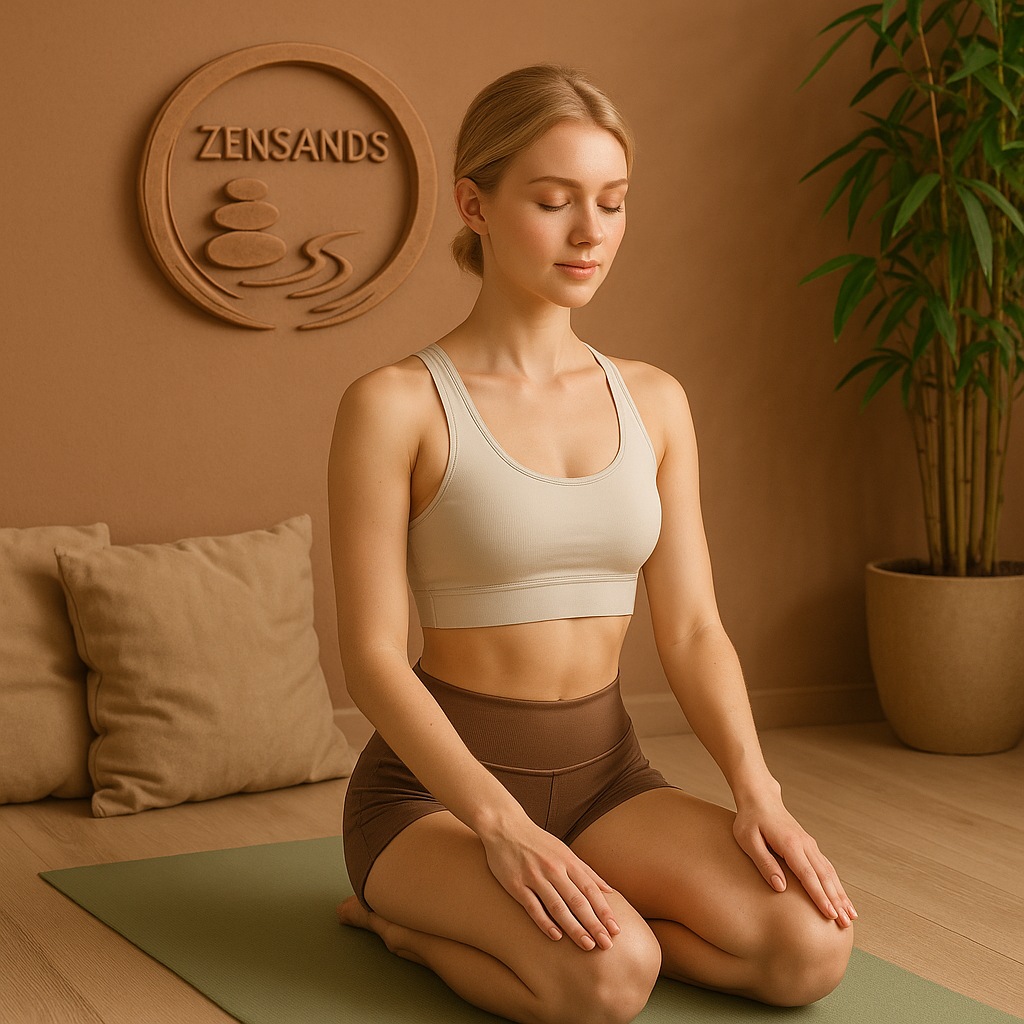
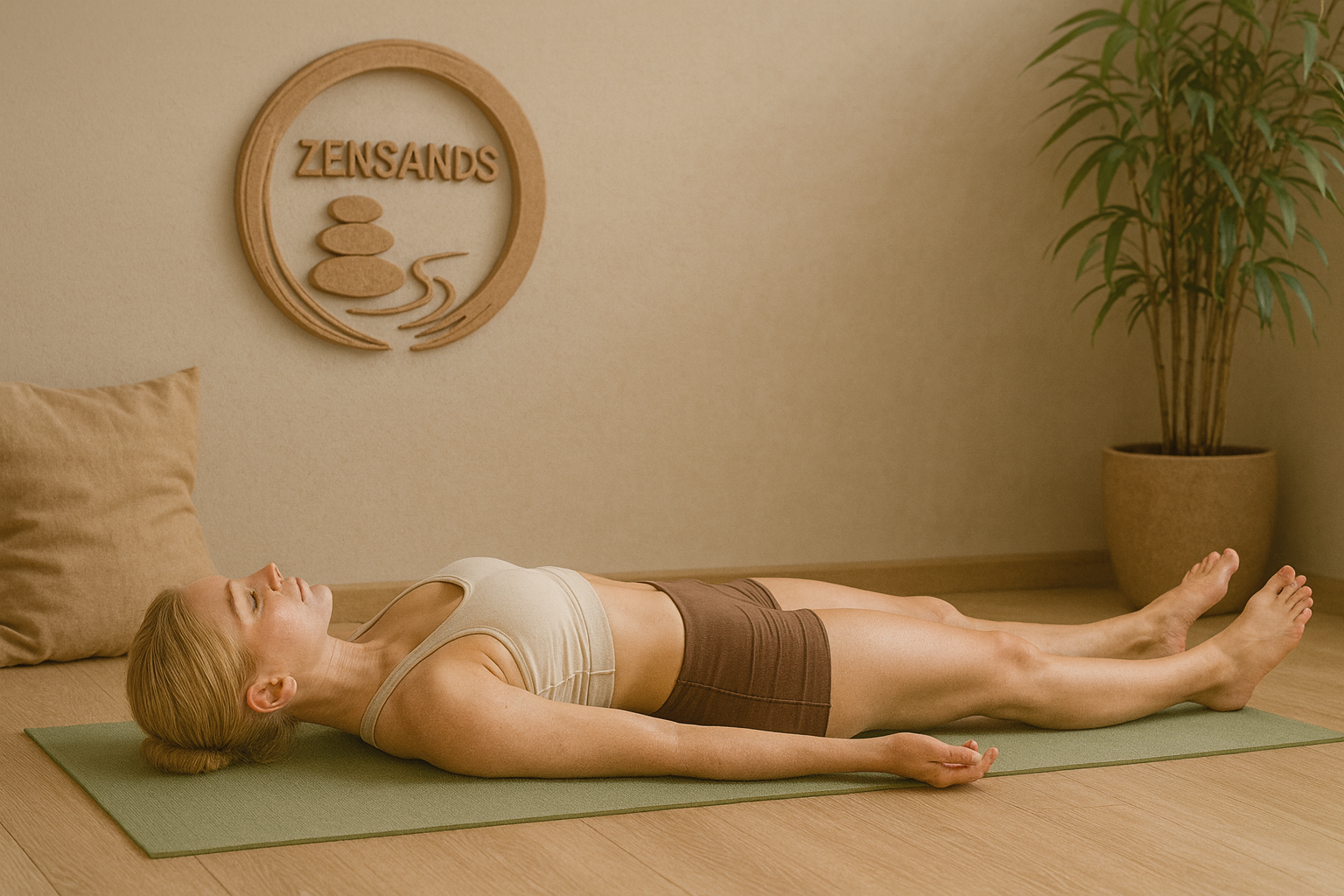
To support mental clarity and awareness, three well-known yoga postures—Burmese, Seiza, and Supine Savasana—were carefully selected for your meditation journey. Yoga requires significant physical discipline and can sometimes be challenging. If you are pregnant, recovering from surgery, or have mobility limitations, please avoid practicing yoga without professional support.
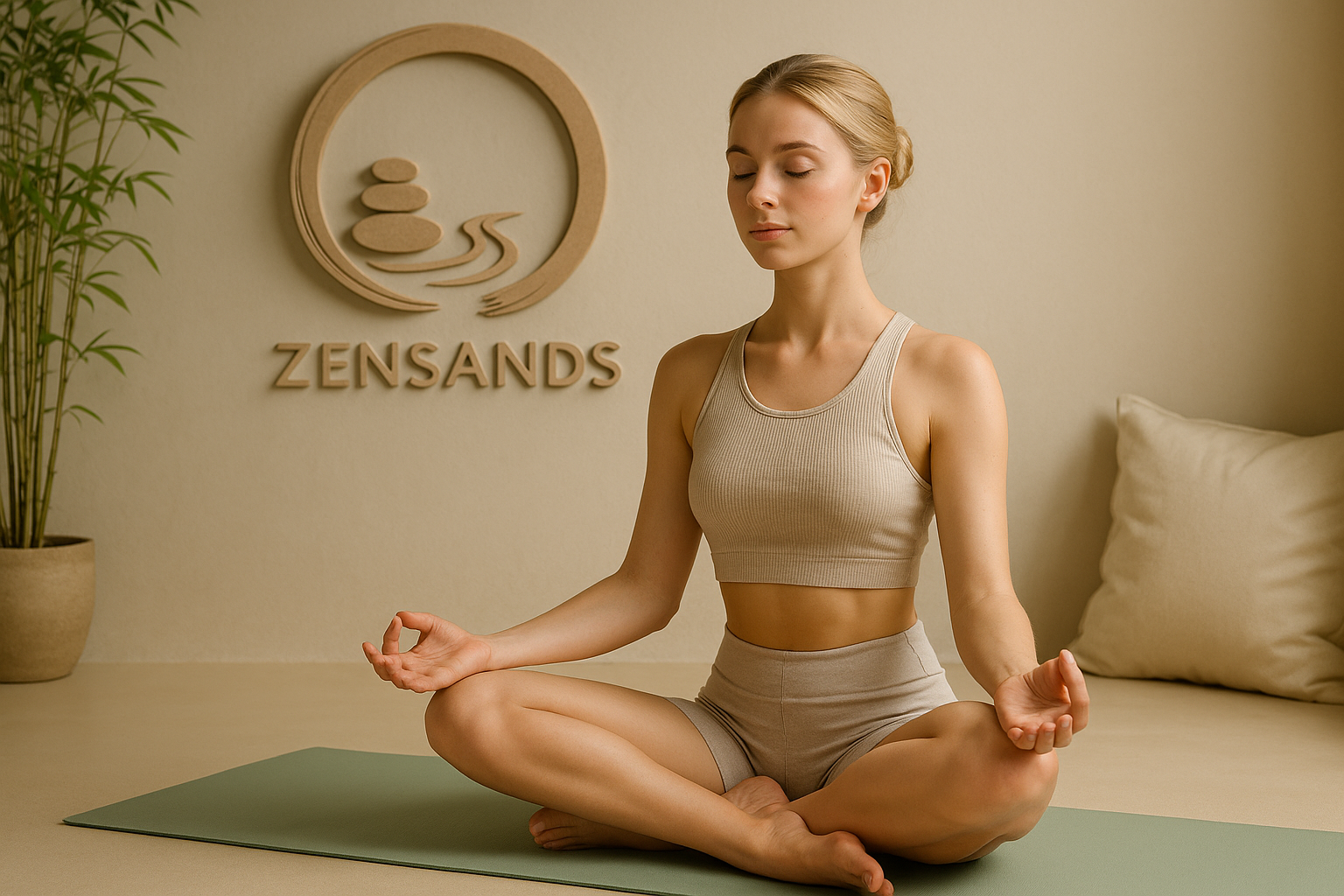
You should feel comfortable in your practice environment. A temperature of around 23–25°C (73–77°F) is ideal for most people, but your comfort takes priority. Avoid feeling cold or overheated. Choose a surface that is soft yet supportive. Your body should be both relaxed and balanced; if any movement feels challenging, you may lose your ability to focus. Adjust to a stable, comfortable posture that works for you. Natural light is ideal, but warm, soft artificial light is also sufficient. Reducing distractions is important. Natural ambient sounds can be helpful. Wearing clothing that does not restrict your movement is beneficial.
Avoid strong scents such as incense or scented candles—they are common clichés in meditation settings. Also avoid screens and harsh white lights, overly soft or overly hard surfaces, and tight or cluttered spaces.
The most important factor is practice. Over time, you may not even need a designated meditation space. The ability to focus amidst a crowd can develop like muscle memory built through repetition.
Focus on a single point—your breath, a repetitive distant sound, or a simple object. Do not force yourself; the goal is clarity and awareness. When your attention drifts, gently guide it back. Think of this as forming a habit. Touch the ground lightly with your fingertip. Focus on that sensation, that point, and stay with it. When your mind wanders, that touch acts as an anchor. Noticing your thoughts is an important step. Simply return to your starting point.
Do not try to suppress thoughts during meditation, nor expect them to disappear immediately. Position yourself as an observer—outside the structure—and allow thoughts to dissolve on their own. This helps them fade more easily. Your mind may drift toward daily concerns; calmly return to your chosen point of focus. After about five minutes, your concentration begins to stabilize. The nervous system typically shifts into a calming mode after ten minutes. Meditation is a process. If thoughts pull you in, remain patient—the goal is not to eliminate them but to return without getting carried away. Being aware of both positive and negative thoughts is the true essence of meditation.
An average session of 10–20 minutes is usually sufficient. Beyond 20 minutes, the benefits tend to increase. Longer sessions may be challenging for beginners. Even if your current limit is five minutes, that is perfectly fine. Consistent short sessions are far more effective than infrequent long ones.
The goal of these yoga postures is to help you gather, balance, and release. Meditation should be practiced regularly—2 to 3 times a week for 10–20 minutes.
We would love to hear about your experience—feel free to share it with us.